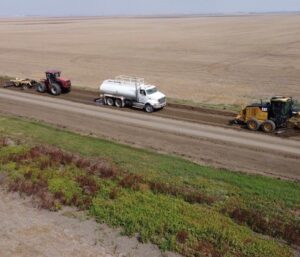
Successful road construction begins below the surface. Whether building municipal roads, industrial access roads, rural infrastructure, or resource roads, proper soil compaction, road compaction, and soil stabilization are critical to long-term road performance.
Without proper compaction and stabilization, roads become vulnerable to rutting, potholes, cracking, washboarding, drainage issues, and ongoing maintenance costs. Understanding how soil behaves — and how proper soil stabilization improves road compaction — helps create stronger, safer, and longer-lasting infrastructure.
What Is Soil Compaction?
Soil compaction is the process of compressing soil particles together to reduce air gaps and voids within the soil structure. This increases soil density and creates a more stable, load-bearing foundation for road construction.
In road building, proper soil compaction is essential because it strengthens the road base and improves the soil’s ability to support traffic loads over time.
The benefits of proper soil compaction include:
- Increased load-bearing capacity
- Reduced settling and shifting
- Greater resistance to cracking and rutting
- Improved road durability
- Reduced water infiltration
- Lower long-term maintenance costs
Why Is Road Compaction Important?
Road compaction directly impacts the structural integrity and lifespan of a roadway. Poor road compaction can lead to premature road failure, unsafe driving conditions, and expensive repair cycles.
When roads are not compacted properly, moisture can penetrate the soil structure, weakening the road base and causing instability over time.
Proper road compaction helps roads:
- Withstand heavy vehicle traffic
- Maintain surface stability
- Resist erosion and deformation
- Improve roadway safety
- Extend infrastructure lifespan
For municipalities, rural communities, industrial operations, and Indigenous infrastructure projects, effective road compaction is one of the most important investments in long-term infrastructure performance.
Factors That Affect Soil Compaction and Road Compaction
Soil Moisture Content
Moisture content plays a major role in compaction performance. The right amount of water helps soil particles move and interlock during compaction.
However:
- Too little moisture limits proper bonding
- Too much moisture weakens the soil structure and reduces density
Managing optimal moisture levels is essential for achieving proper road compaction.
Soil Type
Different soils compact differently.
Granular Soils
Sand and gravel compact relatively easily and create stable road foundations.
Clay Soils
Clay-heavy soils are more difficult because clay particles naturally attract moisture. Excess water creates swelling and slipperiness between particles, reducing stability and making compaction difficult.
This is why many road construction projects require soil stabilization to improve problematic soils.
Compaction Equipment
The type of compaction equipment used also affects final road density and stability.
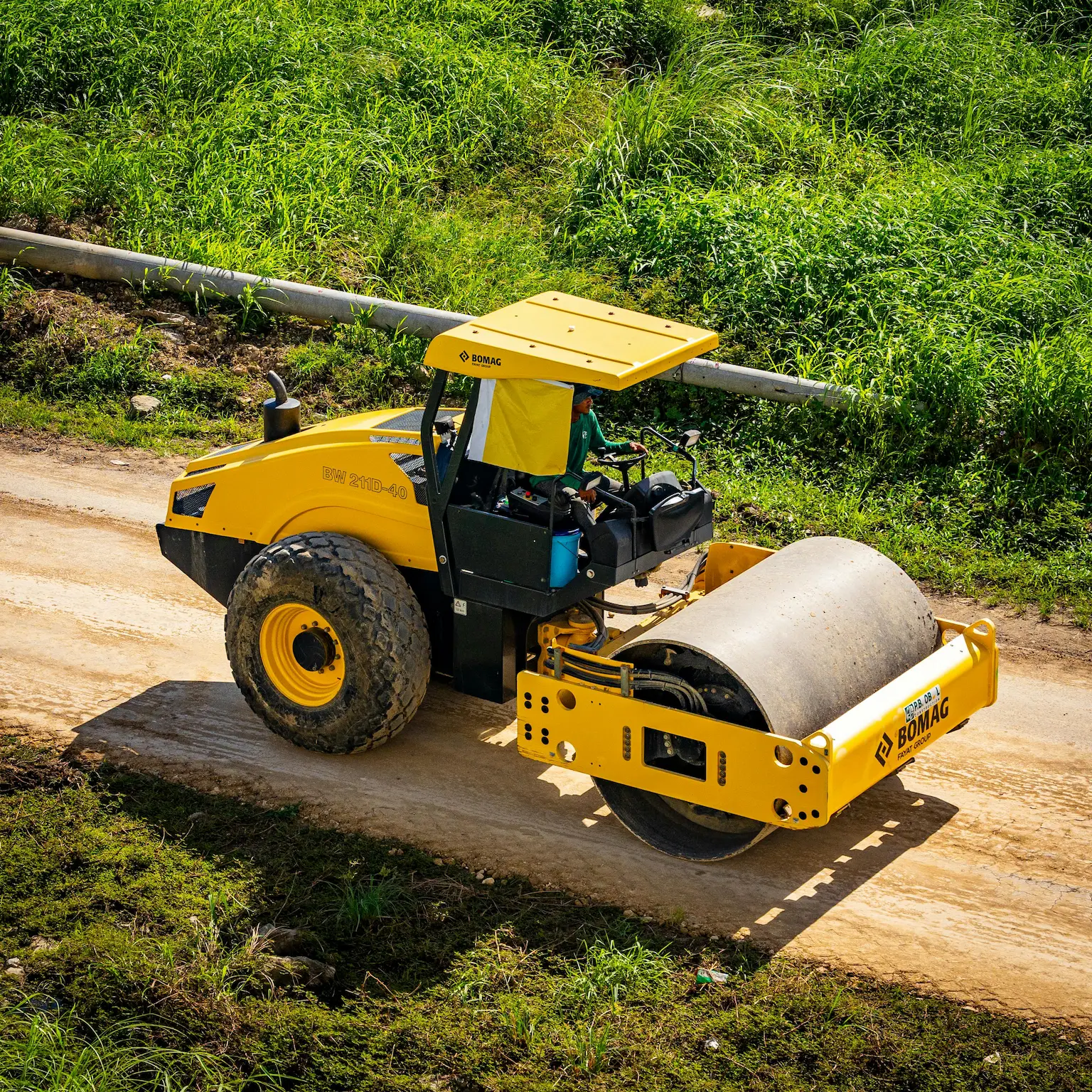
Common equipment used for soil compaction and road compaction includes:
- Vibratory rollers
- Static rollers
- Pneumatic rollers
- Sheep foot rollers
- Rammers and compactors
Selecting the correct equipment depends on the soil conditions and project requirements.
How Soil Stabilization Improves Road Performance
Soil stabilization is used to improve soil strength, reduce moisture sensitivity, and enhance the effectiveness of soil compaction.
In road construction and rehabilitation, soil stabilization is especially important for clay soils and moisture-sensitive road bases.
By improving the soil structure, soil stabilization helps:
- Increase soil density
- Improve road compaction
- Reduce moisture damage
- Increase structural strength
- Extend road lifespan
How CON-AID Supports Soil Stabilization
Clay soils naturally bind with water, which prevents particles from compacting tightly together. This creates weak road bases that are prone to movement, rutting, and failure.
CON-AID Soil Stabilizer works by chemically modifying clay particles to reduce their attraction to moisture. This allows soil particles to compact more effectively and form a denser, more stable structure during road compaction.
The result is:
- Improved soil compaction
- Stronger road bases
- Increased load-bearing capacity
- Reduced swelling and moisture damage
- Longer-lasting roads with lower maintenance requirements
Unlike temporary surface treatments, CON-AID provides long-term soil stabilization that improves the structural integrity of the roadway from the ground up.
Best Practices for Effective Soil Compaction and Soil Stabilization
Achieving optimal road performance requires proper planning, compaction techniques, and stabilization methods.
Best practices include:
Analyze Soil Conditions
Understanding the soil type helps determine the appropriate soil compaction and soil stabilization strategy.
Control Moisture Content
Maintaining proper moisture levels allows soil particles to interlock effectively during road compaction.
Compact in Layers
Layer-by-layer compaction helps eliminate weak spots and improves consistency throughout the road base.
Use Proper Compaction Equipment
Selecting the right rollers and compactors improves density and long-term road stability.
Stabilize Problematic Soils
Using soil stabilization products like CON-AID improves compaction efficiency and creates stronger, more durable road foundations.
Strong Roads Start with Proper Soil Compaction
The long-term performance of any roadway depends heavily on the quality of the road base beneath it. Proper soil compaction, effective road compaction, and long-term soil stabilization are essential for building roads that can withstand traffic, weather, and time.
Investing in proper compaction and stabilization practices leads to:
- safer roads,
- lower maintenance costs,
- improved infrastructure performance,
- and longer-lasting transportation networks.
With the right soil stabilization solutions and road compaction practices, communities and organizations can build stronger infrastructure designed for long-term success.